
- September 9, 2026
- By neon31
- In Guest Post
- No Comment
- 0
How the Strategy Aspect of Card Games Has Evolved Through the Years
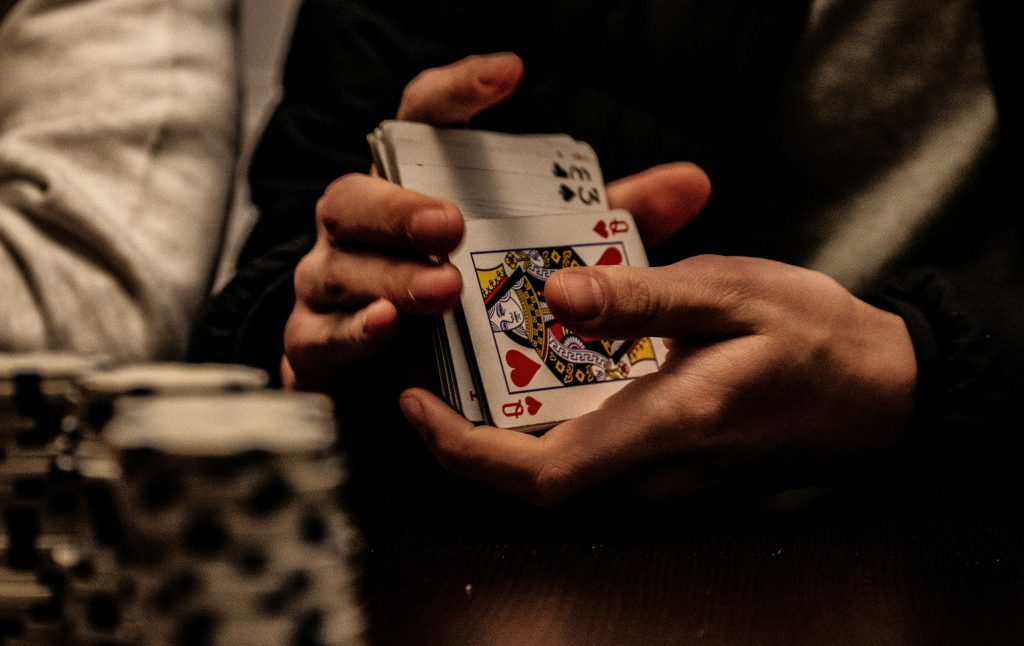
Card games have always had a strategic side. The way that strategy works has changed a lot over time. Traditional games often revolve around a fairly small set of choices. Things have become a lot more complex now.
That does not mean older card games are simple or shallow. Far from it. Games such as blackjack and poker have lasted because small decisions can still matter. What has changed is the number of systems players are now expected to think about. Many digital and modern card games have added lots of possibilities and elements of strategy.
The result is a genre that stretches from classic casino tables to highly detailed online strategy games.
Blackjack Shows How Basic Strategy Can Still Matter
Blackjack is a good starting point because it has a very clear strategic structure.
The aim is straightforward. Try to beat the dealer with a stronger hand without going over 21. Players make a small number of decisions. Things like whether to hit or stand.
That is where basic strategy comes in.
Basic strategy uses the cards in the player’s hand and the dealer’s visible card to work out which move is statistically strongest in a given situation. It does not make the game predictable. It gives players a more structured way to make decisions rather than simply guessing. Platforms in the modern gaming scene like mBit Casino offer numerous varieties and ways to play blackjack online. Different variations might mean different levels of strategy.
One interesting thing is that blackjack strategy is quite contained.
There are not dozens of moving parts. A player does not need to build a deck before the game starts or manage resources across several turns. The focus stays on the current hand and a relatively small number of possible choices.
Hearthstone Turned Card Strategy Into a Digital System
Blackjack moved with the digital world. Some games were created for it. Hearthstone is a strong example of how digital card games pushed strategy into a much bigger space.
Players build their own deck around different classes and abilities. That changes the strategy before the game even starts.
Deck-building becomes part of the challenge.
A good deck needs cards that work together rather than simply a collection of individually powerful options. Some decks are built around fast attacks. Some players focus on controlling the board and winning later. People may also need to focus on classic decks or wild decks.
Another layer appears through mana.
Cards cost different amounts to play. Players have to decide how to spend limited resources each turn. A strong card may need to wait until later. Cheaper cards can be used to build an early advantage.
There is also the question of card combinations.
A seemingly ordinary card might become much stronger when played alongside another one. That gives experienced players a reason to plan several moves ahead rather than thinking only about the current turn.
Digital design also allows Hearthstone to use effects that would be awkward in a physical game.
Deck-Building Games Made Preparation Part of the Game
Deck-building has become one of the biggest changes in modern card strategy.
Older games and casino games usually mean everyone is working with the same standard deck.
In many modern card games, the deck itself becomes a strategic choice.
That means the game starts before the first card is drawn.
Players have to think about balance.
Too many expensive cards can leave a deck slow and clumsy. Too many weak cards may make it difficult to finish a match strongly.
The best decks usually have a clear idea behind them. This makes strategy feel more personal because two players can approach the same game with completely different plans.
Slay the Spire Added Strategy During the Run
Slay the Spire takes deck-building in another direction.
The deck changes gradually during a run. New cards are added and some weaker ones can sometimes be removed. Relics introduce extra effects.
That means strategy develops continuously.
This creates a nice mix between having a long-term plan and adapting to whatever the game provides.
The battles themselves are turn-based, so there is plenty of time to consider energy and attack combinations.
It feels more like solving a puzzle than simply playing the strongest card available.
Magic: The Gathering Arena Brings Physical Strategy Online
Digital versions of traditional trading card games have also changed how card strategy is experienced.
Magic: The Gathering Arena brings a hugely detailed physical card game into a digital format. Timing and resource management are central.
Different colors represent different styles of play. This adds another layer to deck construction.
Many decks focus on speed. Other types of players aim to control the board or slowly build towards a powerful late-game position.
Because the card pool is so large, learning the game is not only about understanding individual cards. It is about recognizing patterns and knowing what kinds of combinations opponents may be building towards.
Card Strategy Has Become Broader
Modern card games have not replaced the older style of strategy. They have simply expanded what strategy can mean.
Newer and digital card games add even more layers through large card pools and new releases.
But if you are drawn to strategy, know that this basic idea has lasted for generations. Modern games have just found many more ways to expand it.
Submit your Top 500 Legend Build, be seen by thousands of people!