
- May 18, 2026
- By neon31
- In general
- No Comment
- 0
Hearthstone Bluffing Is Real When Sequencing Tells the Story
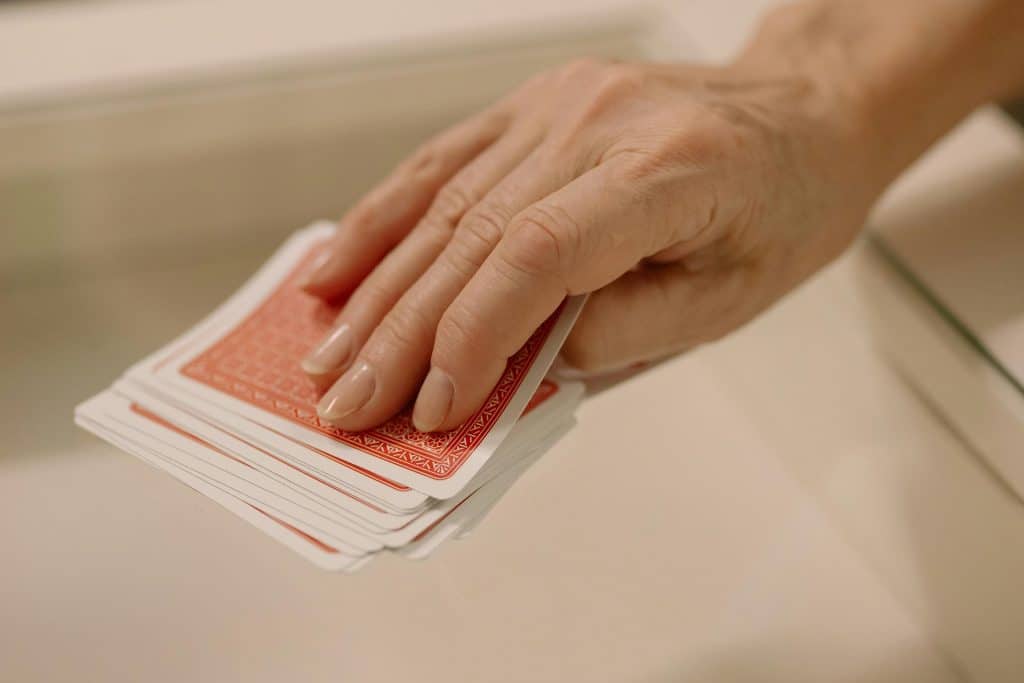
Most players hear “bluffing” and picture sunglasses, frozen faces, and a bet pushed forward with theater. Hearthstone has none of that. No one watches your hands shake. No one catches a change in your breathing. Yet bluffing still happens every day. It appears when you float mana to suggest interaction, attack in a strange order to hint at a follow-up, or pass with enough restraint that the opponent starts filling in the blanks for you.
That is what makes Hearthstone bluffing easy to miss. Many players treat digital card games as pure math, even though uncertainty still shapes nearly every meaningful turn. Research on strategic interaction shows that people can use confidence signals deceptively under incomplete and asymmetric information, even without an outright lie, because timing, certainty, and sequence influence how the other side reads the situation. Hearthstone works in a similar way. You are not only presenting damage totals and resource counts. You are also presenting a story about what your hand could contain and what your next turn might punish.
Where Digital Bluffing Becomes Clearer
The clearest way to understand this is to look at a card environment where private information sits even closer to the center of every decision. That is where online poker becomes useful as a comparison point. On this Australia-facing poker page, the format list is straightforward: Texas Hold’em, Omaha, Omaha Hi-Lo, and Zone Poker. That matters because each of those formats makes action-based reading easier to isolate.
When players cannot lean on facial cues, the pressure shifts toward timing, line consistency, and whether a sequence of choices tells a believable story from beginning to end. That same logic carries back into Hearthstone. A floated mana crystal, an unusual trade, or a suspicious pass is not powerful because it looks dramatic. It is powerful because it invites the opponent to believe a particular version of your hand. If you want a cleaner example of how representational play works when hidden information is even more central, online poker is a practical parallel rather than a forced detour.
This Instagram post from Ignition Australia works as a particularly useful companion here because it helps us focus on how poker moved from a physical game to a digital one, and the implications that has had for the bluffing elements. When the table becomes a screen, the contest moves away from body language and closer to sequencing, pressure, and the stories that actions tell. That’s why, whether they are table games or Hearthstone, sequence and positioning matter.
What Hearthstone Players Are Really Reading
A strong player is rarely reading only the board. They are reading the message behind the board. In practice, that usually comes down to three things:
- Mana use: Unspent mana can imply a reactive hand, a generated answer, or a threat the opponent feels forced to respect.
- Order of actions: Attacking first, trading oddly, or hesitating before a commit can make a routine turn look weighted with purpose.
- Restraint: Sometimes the most convincing line is the one that withholds power, because restraint can make future pressure feel more real.
None of this means every strange line is a bluff. Sometimes a strange line is just a bad turn. But the category itself is real, and it matters because Hearthstone contains enough hidden information for representation to influence decisions. Hand contents are concealed. Draws are unknown. Discover effects widen the plausible range of outcomes. Archetype memory matters too. If a deck is known for a certain swing card or punishment window, players often start responding to that possibility before it is ever revealed.
That is why generated cards make the bluffing layer richer. A player does not need to represent one exact answer for the pressure to work. They only need to represent a narrow family of possibilities that the opponent cannot comfortably ignore. The wider the game’s pool of plausible outcomes, the more often skilled players win invisible exchanges before any payoff appears. Bluffing, in that sense, is not decoration. It is part of how digital card games create tension.
Credibility Matters More Than Drama
The best Hearthstone bluffs are quiet. They do not ask the opponent to believe something absurd. They ask the opponent to respect something plausible. That is the key distinction. A believable bluff usually fits the mana, the matchup, the earlier turns, and the identity of the deck. It feels less like a stunt and more like a line that would make sense if the represented card were real.
That is also why bluffing is better understood as representational play than as deception in the Hollywood sense. You are shaping the decision space. You are encouraging caution, baiting commitment, or borrowing tempo from the opponent’s uncertainty. Sometimes that means you really have the strong hand. Sometimes it means you only need the other player to act as if you do. Research on ambiguity suggests people do not fully trust the evidence in front of them when uncertainty remains, and in unknown environments, they may even interpret incomplete signals as potentially deceptive. That helps explain why Hearthstone bluffing feels subtle but still lands. The board is visible, but the full situation never is.
Submit your Top 500 Legend Build, be seen by thousands of people!